Stellar Memory
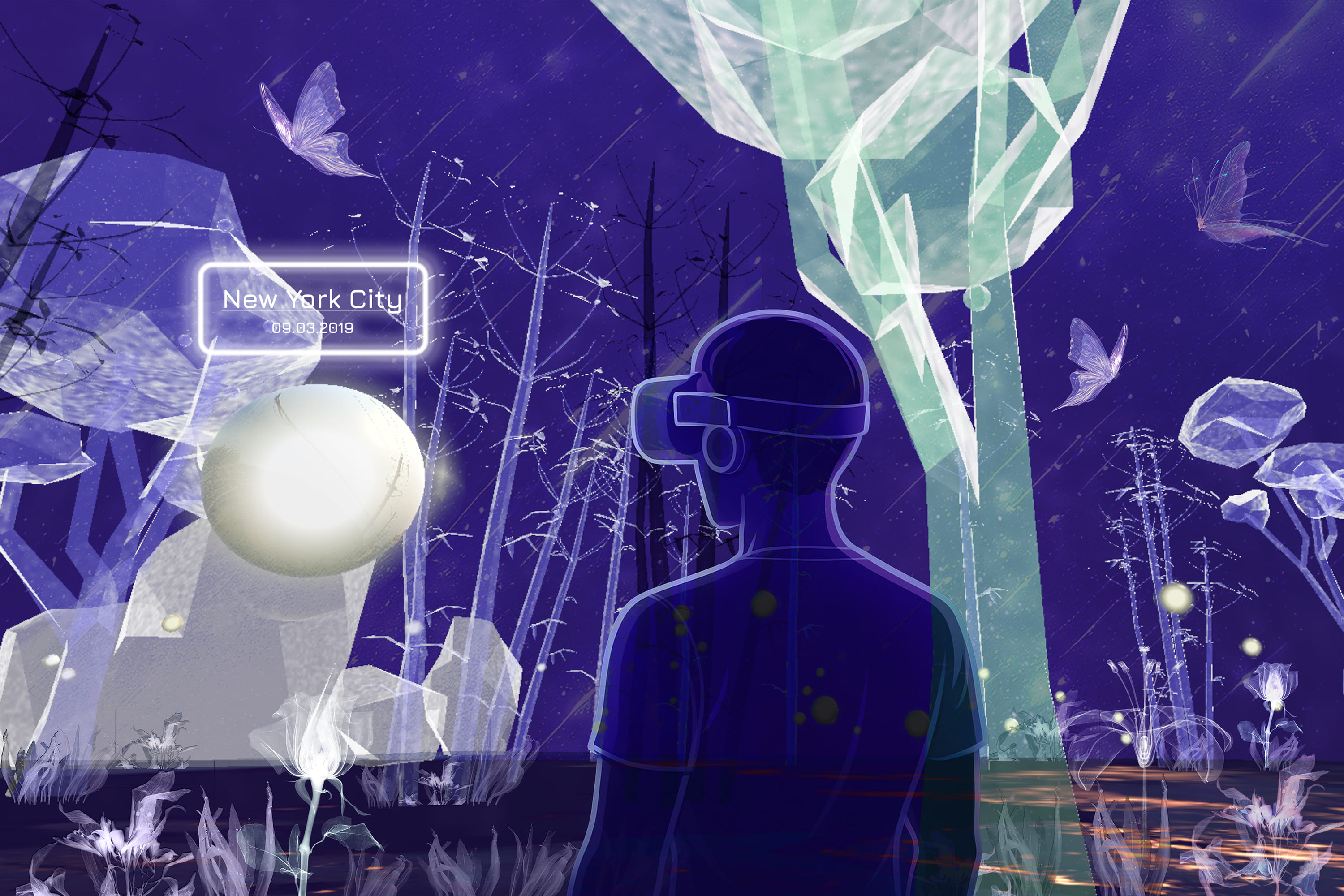
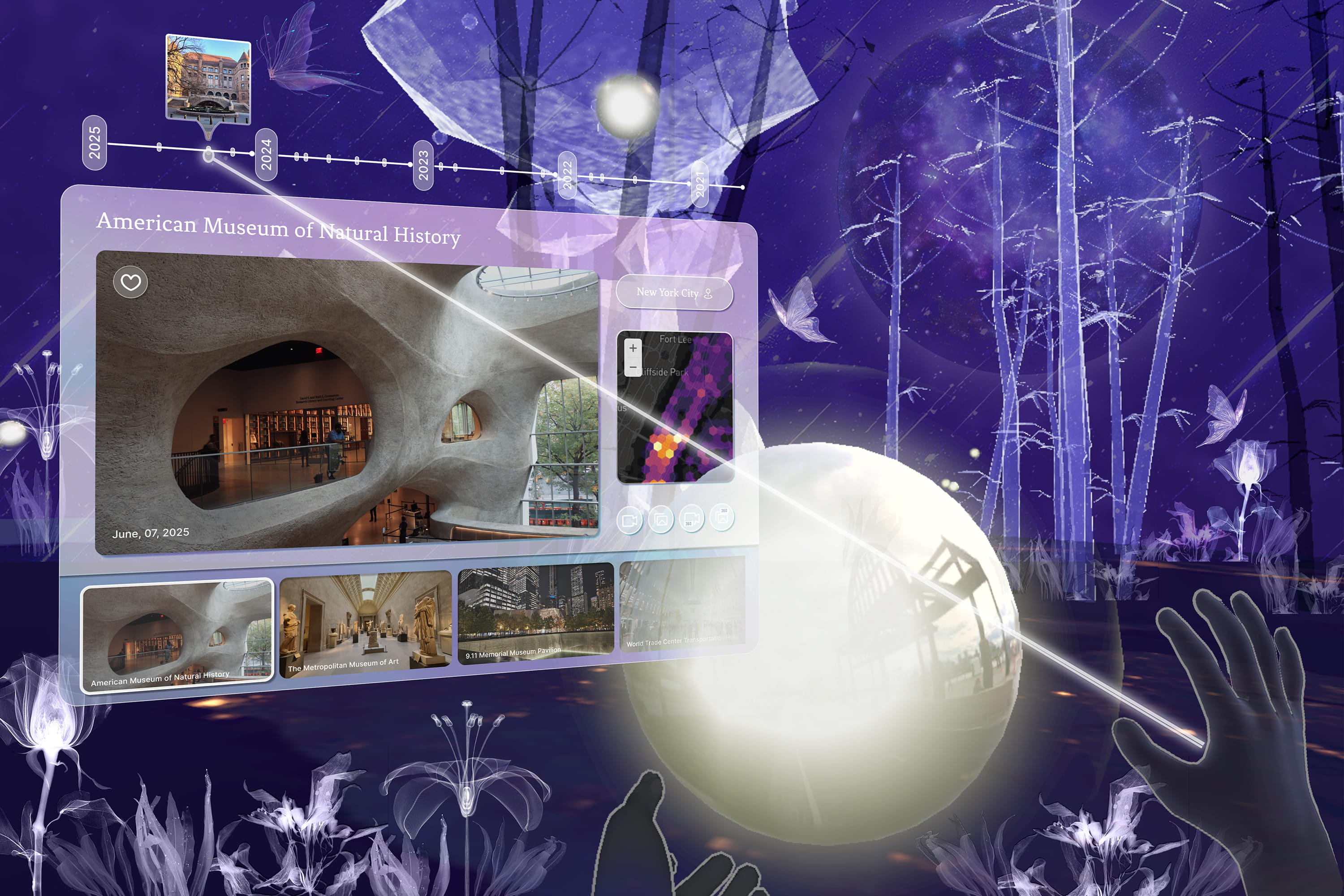
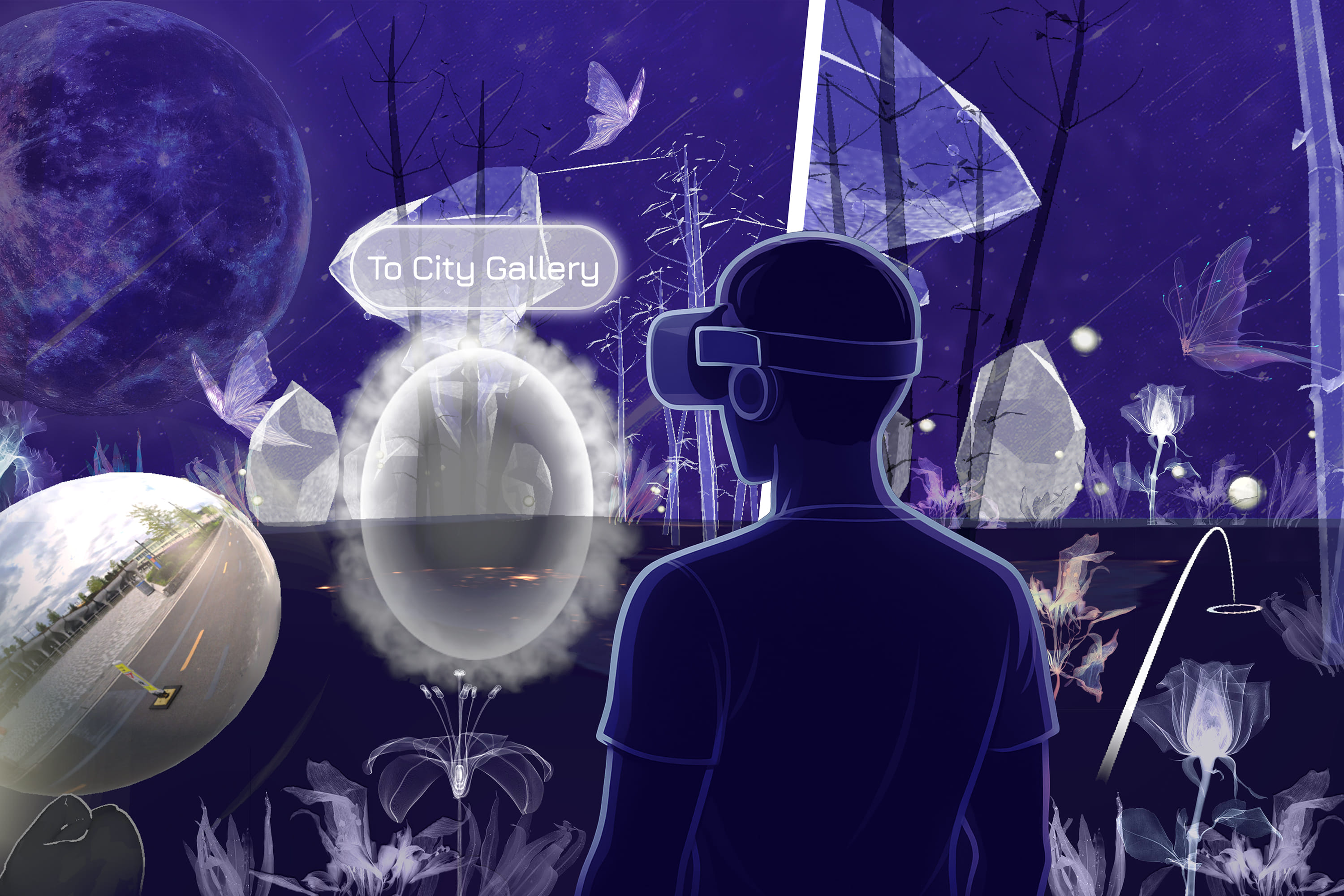
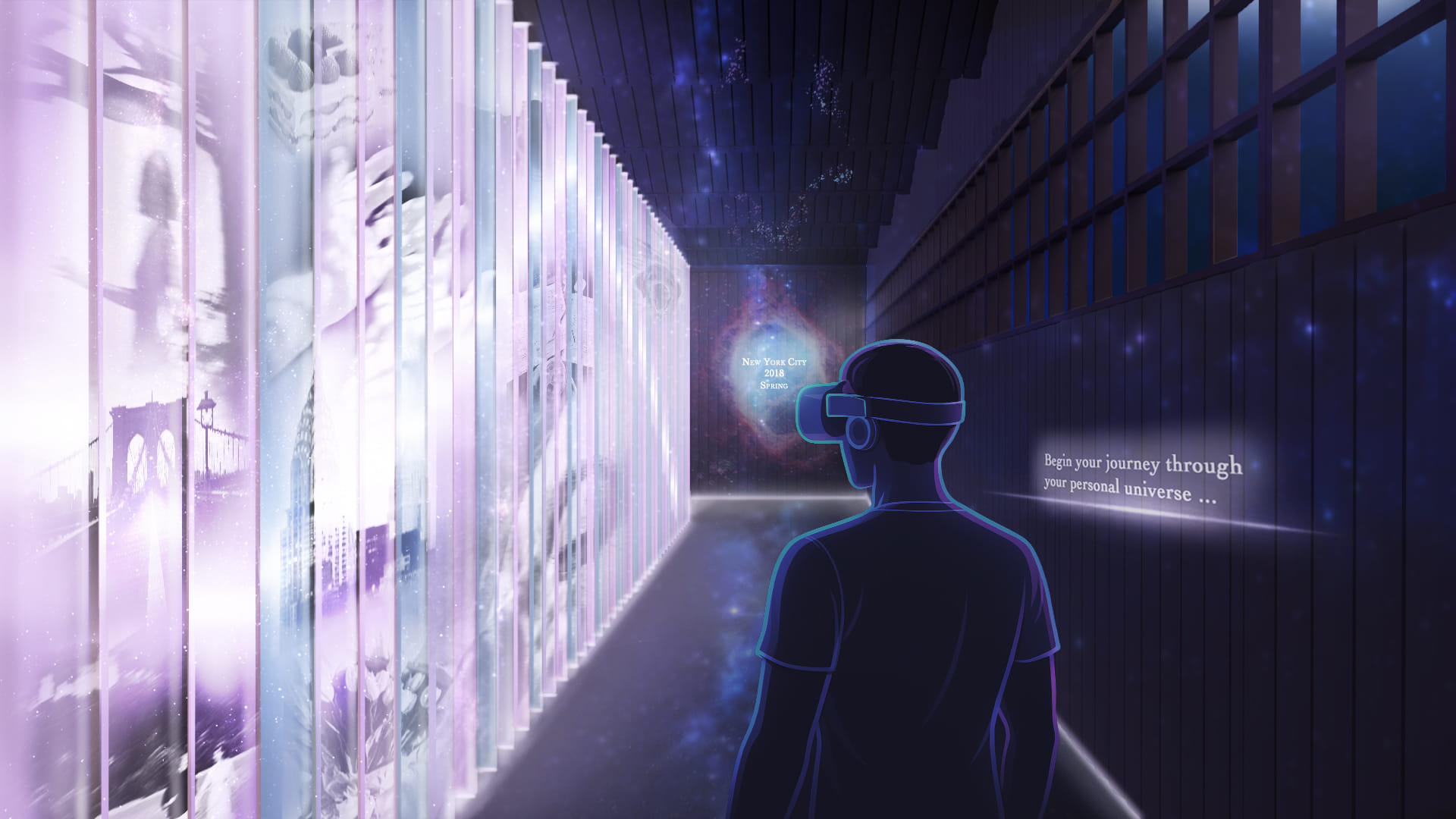
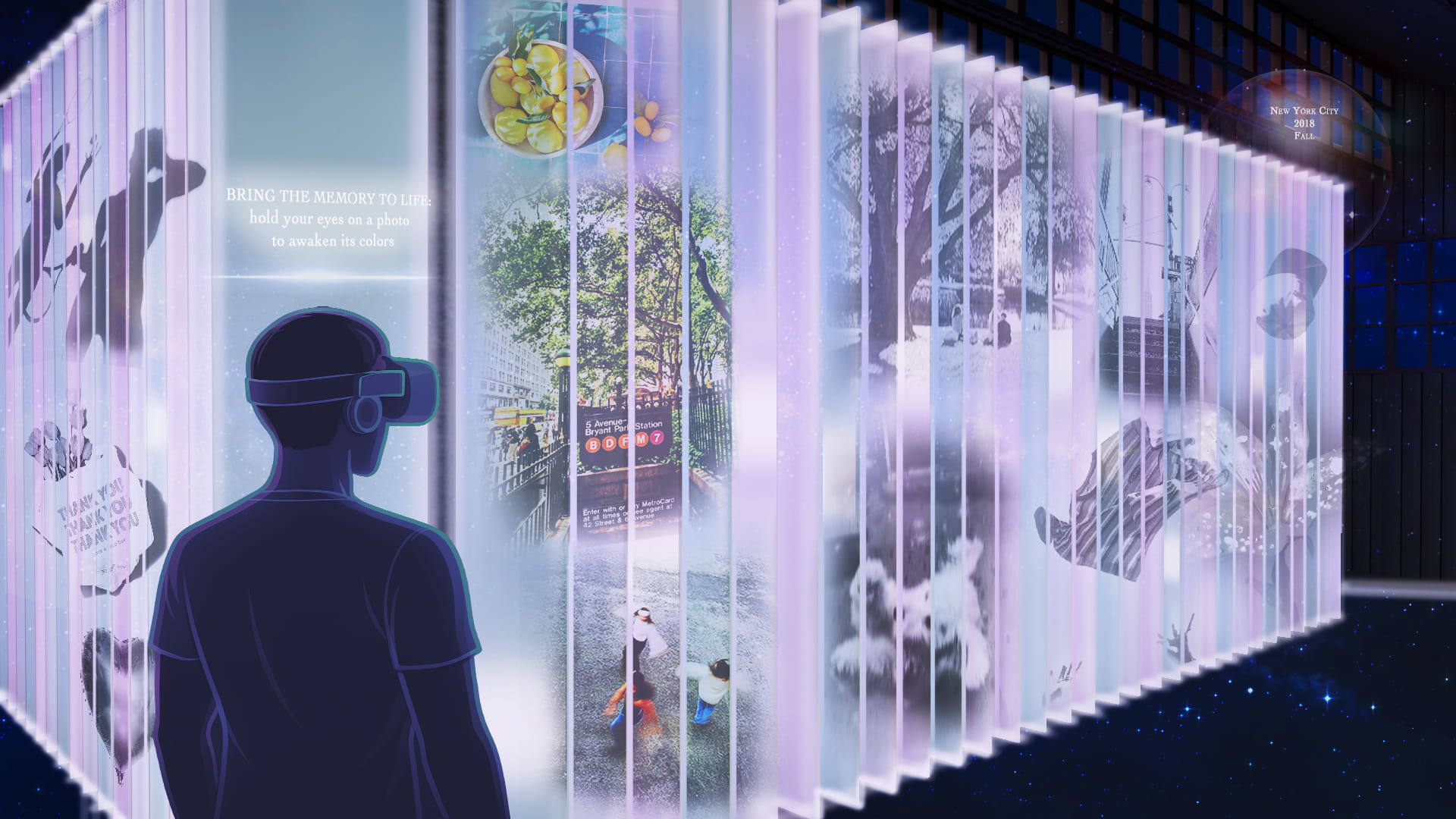
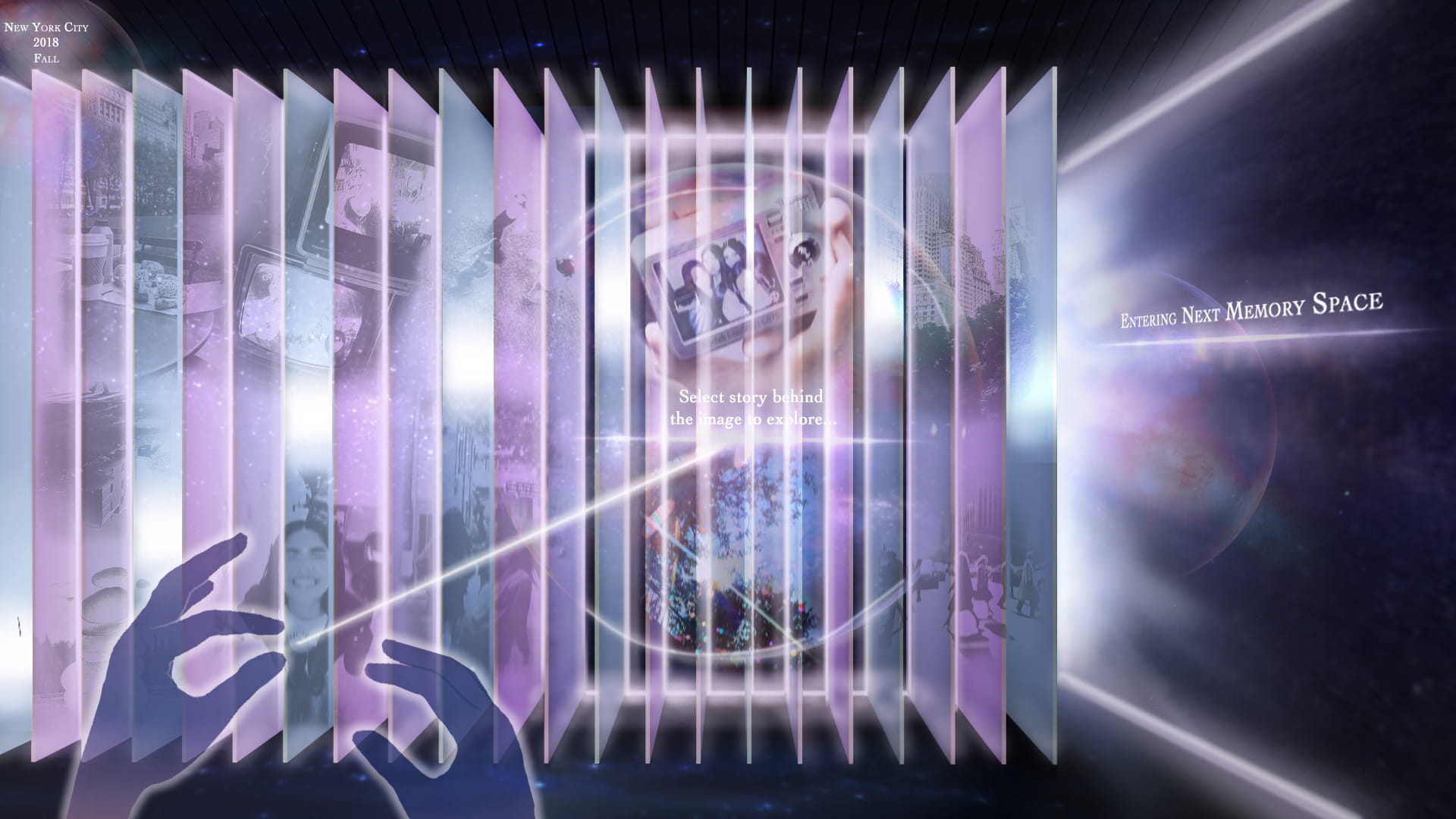
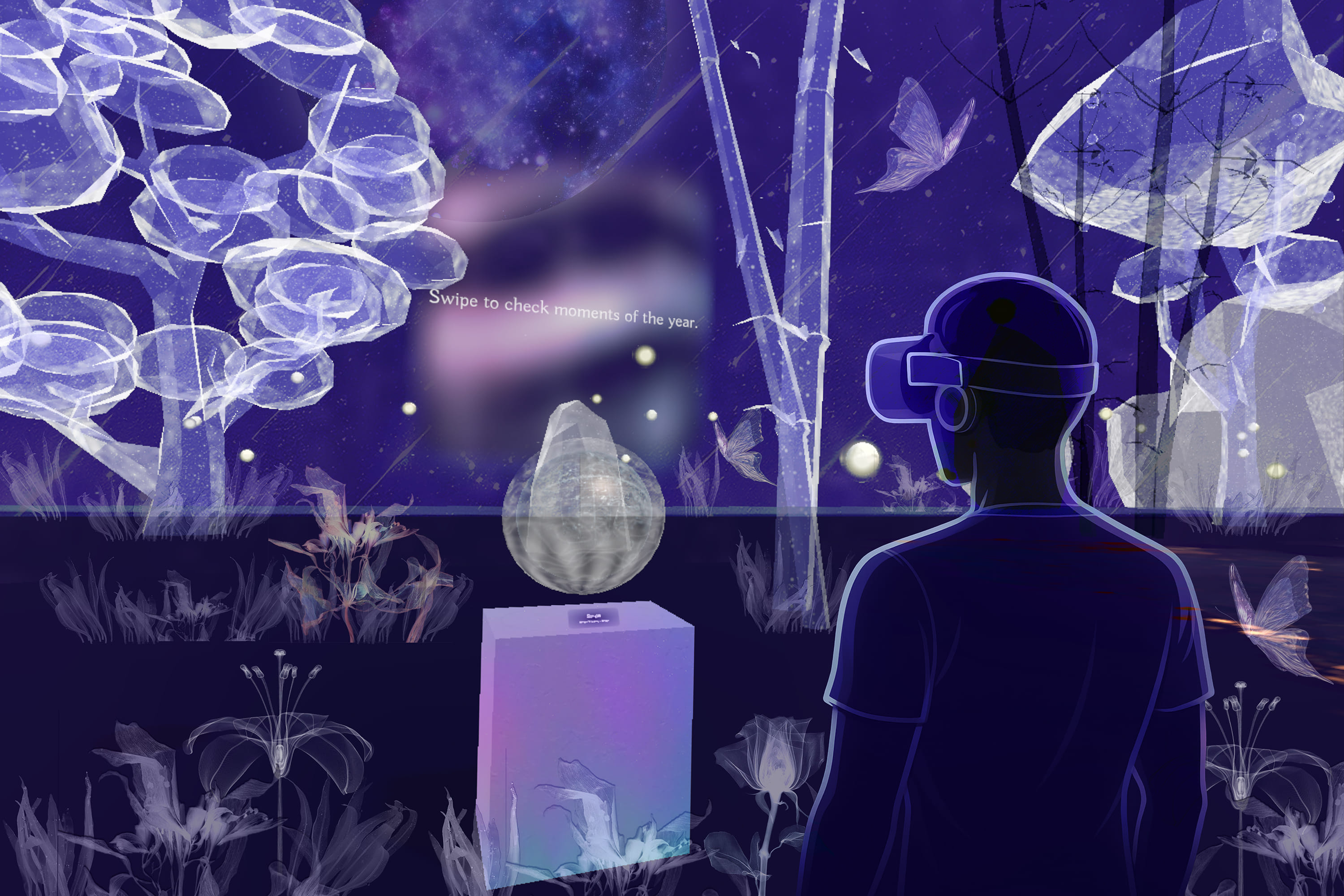
Stellar Memory transforms personal photo libraries into an immersive interactive VR experience where users explore memories through space and time.
Demo
Immersive VR Experience
Navigate through your memories in 3D space, exploring photos mapped by location and time using natural hand gestures.
Impact & Innovation
Stellar Memory reimagines photo browsing with GPS-based spatial mapping and temporal height layering , creating deeper emotional engagement than traditional 2D albums .
The Challenge
Contemporary photo-browsing tools—whether physical photobooks or digital albums—primarily present memories as static, two-dimensional collections. While efficient for storage and access, these flat media often fail to evoke the emotional depth, narrative flow, and sensory presence people seek when revisiting personal memories.
I wish I could hear the laughter again… I want to feel like I’m back there. The app doesn’t tell the story.
User Frustrations
Core Design Needs
Empathize & Define
How might we...
help photo album users revisiting their personal memories experience them as immersive and emotionally meaningful journeys, so they can feel present, reflective, and connected to their past?
User Needs
- • To feel present inside past memories, not just see images
- • To feel emotional depth (atmosphere, mood, continuity) when revisiting
- • To experience memories as stories, not fragmented collections
Opportunity Area
- • Embodied & Immersive Memory Revisit
- • Narrative Storytelling
- • Contextual Information
Experience Goals
- • Revisiting memories should feel like entering a ritual space, slow, focused, emotionally safe
- • Users should be able to re-live memories as narrative journeys, guided by emotion, time, or theme.
- • When revisiting a memory, users should feel present, help them recall where and when they were.
Project Gallery